
PR & media relations
Not every client comes to us because something has gone wrong. We work with businesses, founders, public figures and organisations on proactive PR and media relations, whether that's building a profile, launching something new, establishing credibility, changing an existing perception or simply making sure the right people know who you are and what you do.
We've worked across B2B and B2C businesses, as well as with public figures, celebrities, actors, politicians and founders. Our work spans traditional press, television and radio through to podcasts, social media, search and the wider online reputation that sits around them.
Crisis PR is a particular specialism of ours, but we've always considered it part of the same discipline. Most PR is reputation management in one form or another. Sometimes you're building a reputation, sometimes you're maintaining or changing one, and sometimes you're protecting one when the stakes suddenly become much higher.
How we approach PR
PR should have a purpose
We're not particularly interested in getting your name into the press simply so we can add another link to a monthly report. We don't promise a set number of pieces of coverage each month, nor do we grade publications into arbitrary tiers and promise a certain number from each. Quite simply, we don't think good PR works like that.
No credible PR agency can guarantee that an independent journalist will write about you. If there isn't a story, there isn't always something worth pitching, and even very well-known people have quiet months. Of course, it's often possible to create a reason to generate coverage, but the more important question is why that coverage would benefit you in the first place.
Every piece of PR should have a purpose, whether that's reaching a new audience, supporting a launch, establishing expertise, strengthening credibility, changing an existing perception or building a stronger public profile.
Press and media relations
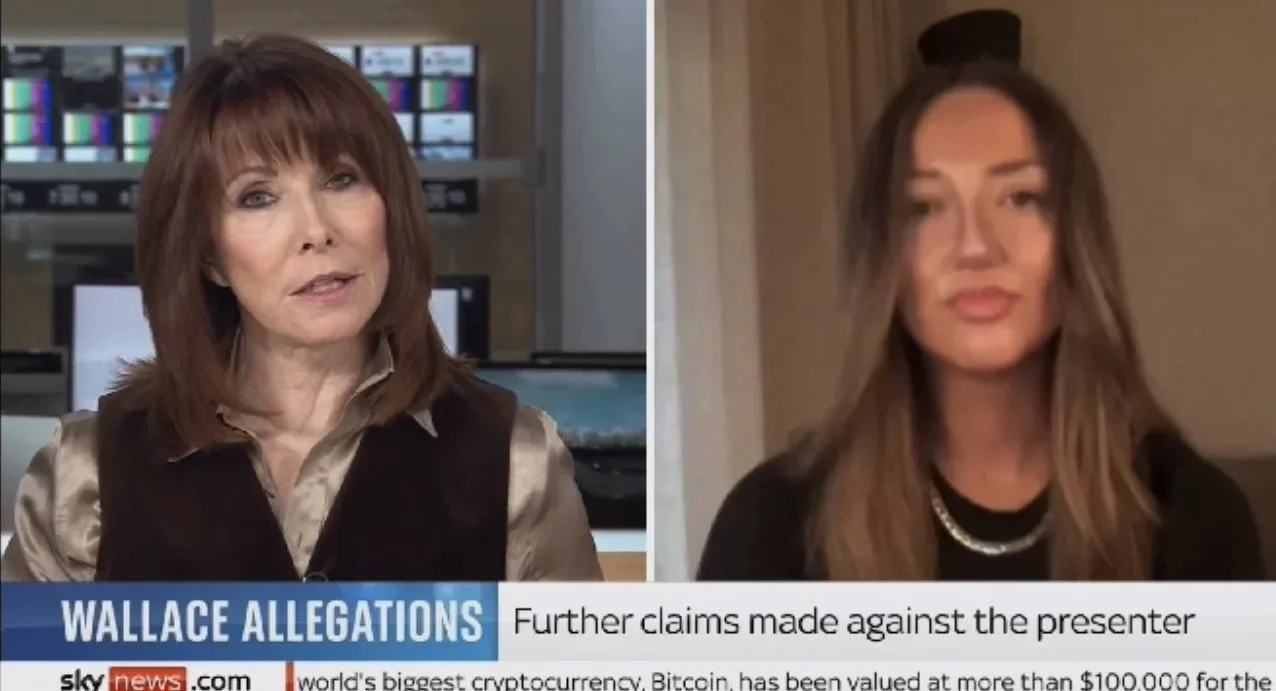
A significant part of our crisis work involves speaking directly with journalists, editors, producers and broadcasters, often in situations where those relationships really matter. Over the years, that has allowed us to build strong relationships across national newspapers, magazines, television, radio and digital media.
Those relationships aren't only useful when something has gone wrong. We use the same understanding of how journalists work, what makes a genuinely good story and what gets ignored when working proactively with clients.
That doesn't mean we can instruct a journalist to write about you. Nobody credible can. It does mean we understand their world, know how to approach them properly and don't want to waste their time, or yours, with stories that aren't worth telling.
Interviews, profiles and features
For some clients, the objective is straightforward: they want greater visibility and credible media coverage. We identify the publications, programmes and journalists that make sense, develop the right angles and handle outreach, briefing and coordination through to publication or broadcast.
That might mean a founder profile in the business press, a national newspaper interview, television or radio appearance, a magazine feature or a longer-term relationship with journalists covering your industry.
The aim isn't to appear everywhere. It's to appear in the places that matter to the people you're trying to reach.
Thought leadership and expert commentary
PR doesn't always require a major announcement. For founders, executives and specialists, expertise itself can be the story.
We identify subjects you can credibly own, respond to relevant news cycles and position clients for expert commentary, opinion pieces, interviews, panels and other opportunities that build authority over time.
Done properly, this can create something much more valuable than a single piece of coverage. It gives journalists a reason to come back to you.
Launches and announcements
New businesses, products, appointments, partnerships, investments, reports and other announcements can all create opportunities for coverage, but having something new to announce doesn't automatically make it news.
We look at the story from a journalist's perspective first. What is actually interesting? Why does it matter now? Who will care? Is there data, access, expertise or a wider conversation that makes the announcement more relevant?
From there, we develop the messaging and media strategy around it rather than simply sending a press release and hoping for the best.
Television, radio and podcasts
Not every story belongs in print. Depending on the client and the objective, television, radio or podcasts can be considerably more valuable.
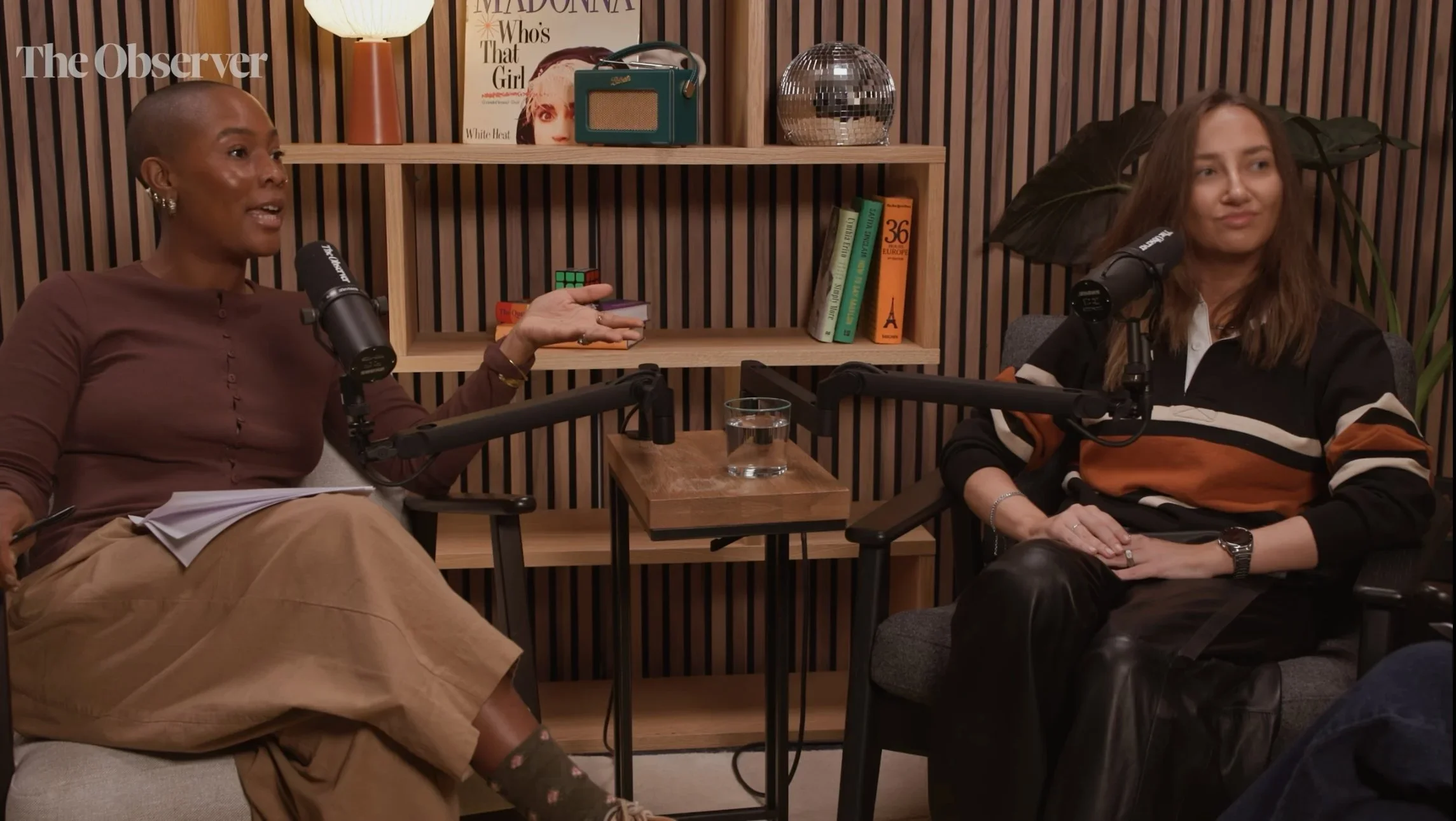
We identify appropriate opportunities, pitch producers and booking teams, coordinate appearances and prepare clients beforehand. Where needed, we also provide media training covering likely questions, difficult subjects, messaging and how to handle interviews confidently without sounding rehearsed.
Reputation, Google and AI
Our PR work doesn't stop when an article is published. Coverage can remain prominent in Google for years and increasingly influences what AI systems understand and repeat about a person, business or organisation.
We therefore consider search and online reputation as part of the PR strategy from the beginning. That can include what currently ranks for your name, which sources Google considers authoritative, gaps in your existing public profile and the kind of credible third-party coverage that would strengthen the wider picture.
Press, search, social media and AI increasingly feed into one another. We don't treat them as completely separate disciplines.
Social media and influencers
Traditional media isn't always the best route to the audience you're trying to reach. Depending on the objective, we may recommend social media, creator partnerships, influencer work or a combination of earned and owned media instead.
Because our background spans both PR and social media, we can look at the whole picture rather than trying to force every objective into a newspaper story.
The channel should follow the objective, not the other way around.
Strategic PR retainers
We work collaboratively with clients rather than disappearing for a month and returning with a coverage spreadsheet. At the beginning of the relationship, we establish what PR actually needs to achieve and what you want people to understand about you.
From there, we look at what's happening in your world, what you're launching or working on, the conversations you can credibly contribute to, the messages we want to establish and any perceptions we might want to change.
PR activity doesn't need to look identical every month for a retainer to be doing its job. One month might involve a major media push, while another is better spent developing a feature, building journalist relationships, improving positioning or preparing something that will become useful later.
Reputation comes first
Our crisis background means we're probably more cautious about publicity than the average PR agency. Before putting something into the public domain, we're thinking about more than whether we can get coverage from it. We're thinking about the headline, the quote that could be pulled out, how it fits with everything else you've said publicly, what it might look like out of context and what somebody will find when they Google you afterwards.
There's an old saying that all publicity is good publicity. We don't particularly agree. Visibility without strategy can create as many problems as it solves, and overexposure can make both audiences and journalists lose interest.
Sometimes good PR means knowing when to push. Sometimes it means knowing when not to.
You don't need to be in crisis to work with us
Because crisis communications is one of our particular specialisms, there's occasionally an assumption that somebody working with us must have a problem. That's not the case.
Some clients come to us during incredibly difficult situations. Others come because their business is growing, they're launching something, they want a stronger media profile or they simply want experienced people looking after how they're represented publicly.
You don't need a problem to take your reputation seriously. In fact, it's considerably easier to build a strong reputation before you ever need to protect it.
That preparation can also start with your team. We offer media training and crisis communications workshops led personally by Lauren Beeching, helping you practise difficult interviews, handle journalist enquiries and work through realistic scenarios before the pressure is real. Sessions are tailored to your organisation and can be booked independently of ongoing PR support.